
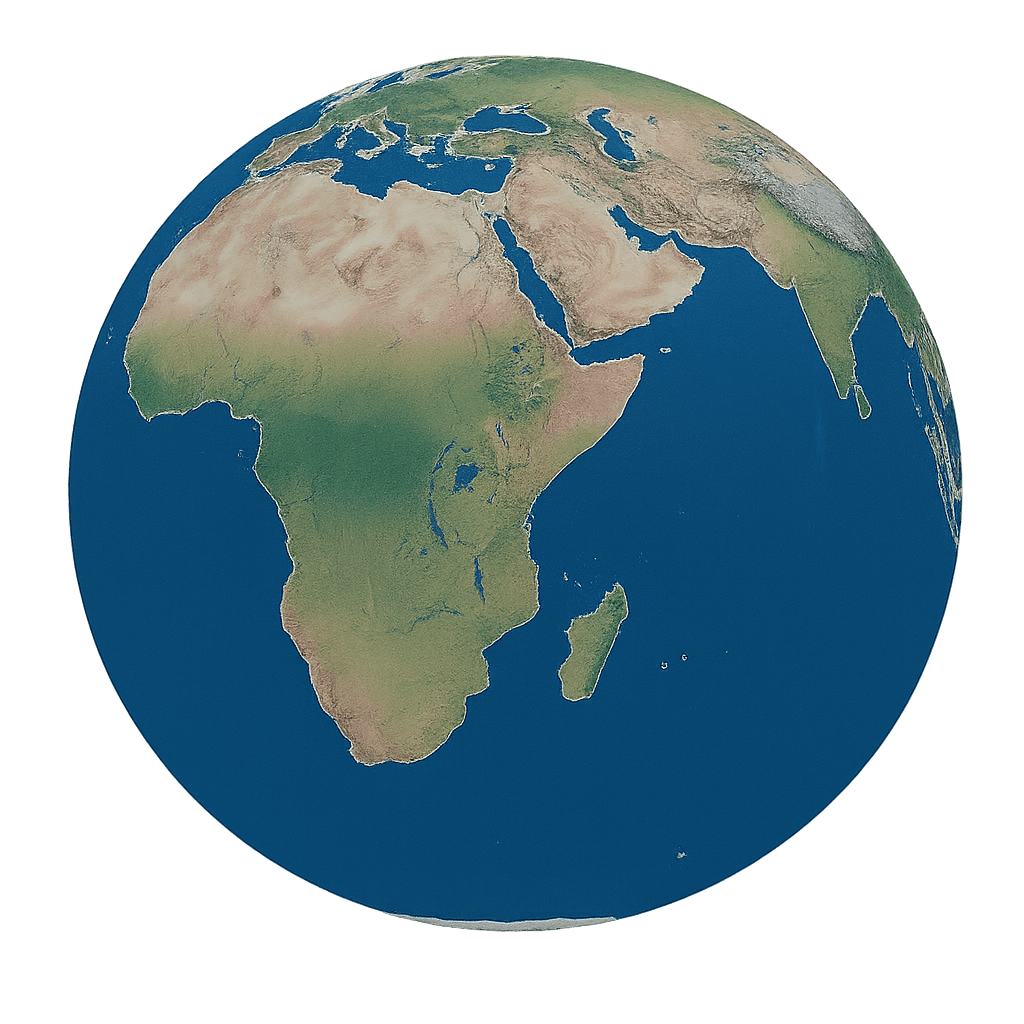
El Niño Alert: Eswatini Meteorological Services warns of a very strong El Niño from Oct 2026 to Mar 2027, with eastern areas possibly hitting above 40°C and a seasonal split in rainfall (Highveld 400–500mm vs Lowveld 200–300mm), urging the public to watch updates. Energy Efficiency Consultations: The Ministry of Natural Resources and Energy, with ESERA and EEA, invites stakeholders to comment on proposed Minimum Energy Performance Standards for appliances like fridges, air conditioners and lighting, with workshops in Hhohho, Manzini, Shiselweni and Lubombo from 8–11 Sept. Energy Security Push: PM Russell Dlamini says Eswatini aims to exceed 1,000MW of domestic generation by 2030 and expand local ownership through hydropower, biomass cogeneration, clean coal and solar with storage, while opening the sector to IPPs as developers and owners. Green Agribusiness & Soil Health: Agriculture leaders urge a shift to green production and high-value crops (coffee, ginger, bamboo, turmeric) plus agro-processing, while soil experts stress soil sampling and liming to fight erosion, overgrazing and nutrient loss. Business Costs & Competitiveness: EU and UNDP voices at the Powering Profit Symposium warn that rising energy costs are squeezing MSMEs, calling for smarter, need-based technology and renewable energy that actually cuts operating costs. Local Climate Tech: A young entrepreneur is using AI tools to help smallholder farmers anticipate weather risks, plan irrigation and diagnose pests—linking climate resilience with better farm decision-making and records.
AGP Executive Report
Your go-to archive of top headlines, summarized for quick and easy reading.
Note: AI summary from news headlines; neutral sources weighted more to help reduce bias in the result. Feedback is welcome. Please let us know if you have any comments or suggestions about the AGP Executive Report.
Energy Standards Consultations: Eswatini’s Ministry of Natural Resources and Energy, with ESERA and the EEA, invited stakeholders to comment on proposed Minimum Energy Performance Standards for fridges, air conditioners and lighting, with workshops set across Hhohho, Manzini, Shiselweni and Lubombo. El Niño Drought Watch: The Eswatini Meteorological Service warned of a very strong El Niño from Oct 2026 to Mar 2027, with a 90%+ chance of El Niño conditions and a historic likelihood, plus warmer-than-normal temperatures. Power for Industry: PM Russell Dlamini said Eswatini aims to exceed 1,000MW of domestic generation by 2030 and has opened the sector to IPPs as developers and owners, not just contractors—linking energy security to jobs and industrialisation. Business Costs and Growth: At the Powering Profit Symposium, the EU flagged rising energy costs as a threat to MSMEs, while Government urged firms to move from survival to growth through productivity, technology and better market access. Green Farming Push: Agriculture leaders called for green production and high-value crops (coffee, ginger, bamboo, turmeric) plus agro-processing and renewable opportunities. Trade Fair Expansion & Green Prizes: King Mswati III urged urgent expansion of EITF facilities as exhibitor numbers outgrew Mavuso, and the fair rolled out green-economy prizes like electric scooters and eco-tourism packages. Climate-Security Link: Eswatini urged the AU to act on conflict warnings early, warning that climate stress and migration can trigger instability.
Energy & Industry: Eswatini is pushing to exceed 1,000MW of domestic power by 2030, aiming for universal access by 2030 and opening the electricity sector to Independent Power Producers—but with a clear demand for long-term ownership, jobs, skills and local companies, not just contractor work. Business Resilience: Rising energy costs are squeezing MSMEs, while UNDP urges firms to invest smarter—cutting inefficiencies and matching renewable energy to real needs, not chasing trends. MSME Growth & Finance: Commerce officials and financiers are calling for MSME support that moves beyond survival toward productivity and competitiveness, with financing models that fit how small businesses actually operate and connect to markets. Green Agriculture & Innovation: Agriculture leaders are urging green production and high-value crops, and a young entrepreneur is using AI tools to help smallholder farmers manage climate risks and improve access to finance. Climate Watch: Southern Africa’s outlook points to mixed-to-below-normal rains for the 2026/27 season, with climate stress flagged as a potential trigger for instability. Trade Fair & Green Economy: King Mswati III says the EITF has outgrown Mavuso and needs urgent expansion, while the fair is also rolling out green-themed prizes like electric scooters and eco-tourism packages.
Media & Trust: MTN, the University of Johannesburg and the African Editors’ Forum launched the first cohort of the MTN Pan-African Media Innovation Programme, bringing 42 journalists and editors (including from Eswatini) into a six-week push to strengthen journalism in a digital, AI-shaped world. Energy for Jobs: UNDP urged businesses at the EITF to “invest smarter” by cutting inefficiencies and matching renewable energy to real needs, not chasing trends. Local Ownership in Energy: Prime Minister Russell Mmiso Dlamini called for African energy development led by Africans using African capital and skills, with partnerships that create jobs and indigenous companies. Embedded Power (Regional): Namibia launched an embedded generation online application platform (Eswatini went live just before), aiming to speed approvals for rooftop solar netmetering. Climate Outlook: Southern Africa faces a higher chance of below-normal rains in Oct–Dec 2026, with El Niño strengthening—raising pressure for early farming preparation. Trade Fair & Green Economy: King Mswati III said the EITF has outgrown Mavuso and needs urgent expansion; the fair also rolled out green economy prizes like electric scooters and eco-tourism packages. Tourism Boost: Umhlanga’s Reed Dance drew more international visitors and pushed tourism revenue to E1 billion. Soil Health for Farmers: Agriculture urged soil sampling and liming to fight erosion, overgrazing and nutrient loss as weather patterns shift. Mining & Environment: Green Chert Mine halted operations, leaving workers without income and spotlighting risks around local extractives.

Energy & Local Ownership: Prime Minister Russell Mmiso Dlamini urged Africa to move from dependency to ownership, arguing that the next energy chapter should be built by Africans using African capital, technology and enterprise. Eswatini Energy Strategy: Eswatini is pushing energy partnerships that create jobs, transfer skills and build indigenous companies, with Independent Power Producers expected to act as developers, investors and owners. Clean Power Digitisation: Namibia launched an Embedded Generation Online Application Platform with Eswatini going live just a day earlier, aiming to speed up approvals for rooftop solar and net metering. Green Farming & Resilience: At EITF, a young entrepreneur showcased AI tools for smallholder farmers to anticipate weather risks and diagnose pests, while government also urged financiers to rethink MSME lending models for real business needs. Climate Outlook: Southern Africa faces a likely below-normal rainy season (Oct–Dec 2026), with El Niño strengthening—raising pressure for early preparedness and water-smart farming. Trade Fair & Green Economy: King Mswati III called for urgent expansion of EITF facilities as exhibitor numbers outgrow the venue, and the fair is offering green economy prizes like electric scooters and eco-tourism packages. Tourism Boost: Umhlanga’s Reed Dance is driving international arrivals and tourism revenue, reaching E1 billion. Soil Health Tip: Farmers are urged to test soils and use liming to reverse fertility loss from erosion, overgrazing and nutrient mining.
Sport Funding Reform: Namibia’s sport administrator Freddy Mwiya urged a shift from government-only financing to diversified models that fund inclusion through endowments, philanthropy and commercial revenue. Trade & Jobs Ecosystem: Commerce Minister Manqoba Khumalo called for a connected enterprise system linking youth, finance and markets—so training leads to investment, production and jobs. Tourism & Culture: Umhlanga’s Reed Dance season is said to be lifting international arrivals and tourism revenue, reaching E1 billion, with hospitality and local vendors benefiting. Green Economy Push: EITF is offering green-themed prizes like electric scooters and eco-tourism packages, tying the fair’s “green economy” theme to practical sustainability. Climate Risk: Southern Africa climate outlooks warn of below-normal rainfall for Oct–Dec 2026, with climate stress and water scarcity flagged as conflict precursors. EITF Infrastructure Pressure: King Mswati III said the Mavuso Trade Fair venue has outgrown capacity, with some exhibitors pushed into temporary tents, prompting calls for urgent expansion. Mining & Land Impact: Green Chert Mine has reportedly stopped operations, leaving workers without income and raising questions about the project’s future. Governance for Prevention: Eswatini urged the AU to act on conflict warnings early, stressing that delays between “knowing and acting” cost lives.
Climate Watch: Southern Africa is bracing for a below-normal rainy season from October to December 2026, with El Niño expected to strengthen—Eswatini is named in the drier risk zone, raising alarms for crops, water and livestock planning. Trade & Green Economy: King Mswati III says the Eswatini International Trade Fair has outgrown Mavuso, with some exhibitors pushed into temporary marquees, and calls for urgent expansion; the fair also runs green-economy prizes like electric scooters and eco-tourism packages. Water, Peace & Resources: Eswatini urged the African Union to act early on conflict warnings, warning that delays between “knowing and acting” cost lives, with climate stress and migration flagged as instability triggers. Tourism Boost: Umhlanga’s Reed Dance is driving visitor growth and tourism revenue, with international arrivals and earnings reaching E1 billion. Mining & Jobs: Green Chert Mine has stopped operations, leaving workers without income and prompting questions over the future of the project. Governance & Education: Eswatini decommissioned its education reform committee after delivering a blueprint for transforming the education and training system. Public Health: The National Nutrition Council urged exclusive breastfeeding during World Breastfeeding Week, calling breast milk the best start for babies.
Climate Watch: Southern Africa’s rainy season is likely to disappoint, with El Niño expected to strengthen and forecasts pointing to below-normal rainfall for much of the region, including Eswatini, during Oct–Dec 2026. Trade Fair Pressure: King Mswati III says the Eswatini International Trade Fair has outgrown the Mavuso Trade and Exhibition Centre, with some exhibitors pushed into temporary tents—urging urgent expansion of facilities. Green Economy at EITF: The EITF is going “green” with sustainability-themed prizes like electric scooters and eco-tourism packages tied to the Mlawula Campfire Festival. Tourism Boost: Reed Dance celebrations are drawing visitors and lifting tourism revenue, with international arrivals and earnings reported at E1 billion. Education Funding Gap: The teachers’ union SNAT says education campaigning is helping, but funding shortages and teacher contract insecurity still undermine quality public education. Mining Fallout: Green Chert Mine has halted operations in Nkomazi, leaving workers without income and raising questions about the project’s future. Governance & Climate Stress: Eswatini urges the African Union to act faster on conflict warnings, noting climate stress and resource competition can spark instability. Public Health Push: The National Nutrition Council calls for exclusive breastfeeding as Eswatini marks World Breastfeeding Week.
Rainfall Outlook: Southern Africa’s rainy season is forecast to be below normal for much of the region, with El Niño expected to strengthen around Oct–Dec 2026—raising stakes for water, crops and livestock survival in Eswatini and neighbours. Trade Fair Pressure: King Mswati III says the Eswatini International Trade Fair has outgrown the Mavuso venue, with some exhibitors pushed into temporary marquees, and calls for urgent expansion of trade fair facilities. Green Economy at EITF: The 58th EITF is rolling out green-themed prizes like electric scooters and eco-tourism packages, tying the fair’s sustainability theme to practical visitor incentives. Mining & Livelihoods: Green Chert Mine has halted operations, leaving workers without income and prompting questions about the future of the project in northern Hhohho. Illegal Gambling Crackdown: Eswatini’s online gambling probe has expanded into an international fraud and organised crime investigation, with hundreds of devices under forensic examination and links alleged to officials and politicians. Breastfeeding Push: The National Nutrition Council urges exclusive breastfeeding for the first six months, framing it as a sustainable start for babies’ health.
Climate Risk: Regional forecasts from SARCOF-33 warn of a hotter, drier 2026/27 summer, with below-normal rainfall likely across parts of Southern Africa including Eswatini, raising alarms for crops, water and livestock—pushing calls for early preparedness and climate-smart farming. Green Economy & Tourism: At the 58th Eswatini International Trade Fair, the event is going “green” with electric scooter and eco-tourism prizes tied to the Mlawula Campfire Festival, aligning the fair’s theme with practical sustainability. Trade Fair Infrastructure: King Mswati III says the EITF has outgrown the Mavuso Trade and Exhibition Centre, with some exhibitors pushed into temporary marquees—urging urgent expansion of facilities. Health & HIV Prevention: Eswatini reports rising demand for prevention options, with PrEP initiations up to 11,359 in Q1 2026, alongside progress in reducing HIV-related deaths. Mining & Environment: Green Chert Mine has stopped operations, leaving workers without income and spotlighting the environmental and community fallout when projects stall. Governance & Conflict Prevention: King Mswati III urged the African Union to close the gap between conflict warnings and action, warning that climate stress and resource competition can trigger instability.
AU Conflict Prevention Push: Eswatini’s King Mswati III, via PM Russell Dlamini, urged the African Union to act on conflict warnings early—saying delays between “knowing and acting” are costing lives, with climate stress and competition over water and grazing flagged as instability triggers. Trade Fair Expansion: The 58th Eswatini International Trade Fair has outgrown the Mavuso Trade and Exhibition Centre, with some exhibitors pushed into temporary tents; the King called for urgent expansion and more pavilions. Green Economy at EITF: EITF went “green” with electric scooters and eco-tourism prizes tied to the green economy theme, including Mlawula Campfire Festival packages. Rainfall Warning for the Region: Southern Africa’s seasonal outlook warns of below-normal rainfall across parts of the region, including Eswatini, raising stakes for water and climate-smart farming ahead of the 2026/27 season. Mine Shutdown Raises Questions: Green Chert Mine has halted operations around Nkomazi, leaving workers without income and prompting concerns about the future of the project.
Trade & Infrastructure: King Mswati III says the 58th Eswatini International Trade Fair has outgrown the Mavuso Trade and Exhibition Centre, with record exhibitor numbers forcing some businesses into temporary marquees—calling for urgent expansion and more pavilions. Green Economy & Tourism: EITF is going “green” with sustainability-themed prizes, including electric scooters and eco-tourism packages linked to the Mlawula Campfire Festival, pushing visitors toward practical low-impact choices. Climate & Food Security: Regional forecasts warn of below-normal rainfall across Southern Africa, including Eswatini, during key parts of the 2026/27 season—raising pressure on crops, water and livestock and strengthening the case for early climate-smart planning. Mining & Health Risks: Green Chert Mine has stopped operations, leaving workers without income and reopening questions about the project’s future. Water/Energy: Lower Maguduza Hydropower Project is set to add 13.5MW in January, boosting domestic generation and helping cut reliance on imported power. Wildlife/Community Conservation: The EITF’s eco-tourism tie-in to Mlawula Campfire keeps conservation-linked tourism in the spotlight.
Climate Outlook: The Southern Africa seasonal forecast from SARCOF-33 flags a higher chance of below-normal rainfall across Namibia through Oct 2026–Mar 2027, with generally above-normal temperatures—conditions that can spill into the wider region including Eswatini and Lesotho. Green Trade & Tourism: Eswatini’s EITF is going “green” with prizes tied to sustainability, including electric scooters and eco-tourism packages for the Mlawula Campfire Festival (Sept 25–27). Mining & Livelihoods: Green Chert Mine has stopped operations around Nkomazi, leaving workers without income and raising questions about the future of the project. HIV Prevention Progress: Eswatini reports strong PrEP uptake—11,359 initiations in Q1 2026—and a reported drop of more than 50% in HIV-related deaths; NERCHA is also being urged to refresh how HIV messages reach younger people. Food Security Planning: Prime Minister Russell Dlamini met WFP to seek support for national grain reserves and a stronger school feeding concept as El Niño risks loom. Energy Push: Lower Maguduza Hydropower is set to add 13.5MW in January, boosting domestic electricity generation and reducing import dependence. Governance & Youth: An Eswatini education committee has been decommissioned after its reform review, while sports leaders are being urged to ensure administration directly benefits young athletes.
Mining & Jobs: Green Chert Mine near Nkomazi has halted operations “until further notice,” leaving 80–100 workers without income and with no staff or security visible at the site since July 23, raising fresh questions about the project’s future. Public Health & HIV Prevention: Eswatini’s PrEP rollout is accelerating, with 11,359 people starting PrEP in Q1 2026—up 37% from the same quarter in 2025—while NERCHA also urged new, more engaging HIV prevention approaches for younger audiences. Breastfeeding & Nutrition: The National Nutrition Council marked World Breastfeeding Week by urging exclusive breastfeeding for the first six months, calling breast milk the best start for growth and immunity. Energy & Climate Resilience: Lower Maguduza Hydropower is set to add 13.5MW in January, boosting local generation and reducing reliance on imported power. Food Security: Prime Minister Russell Dlamini met WFP to seek support for national grain reserves and a stronger school feeding concept as El Niño risks loom. Youth & Environment: Manzini youth were challenged to move beyond clean-ups by planting trees, growing vegetables and building lasting climate action. Governance & Reform: The Education, Training and Skills Development Committee was decommissioned after delivering a reform blueprint for Eswatini’s education system. Illegal Gambling Crackdown: Police say an Eswatini online gambling probe has expanded into an international organised crime and fraud investigation, with hundreds of devices under forensic examination and links alleged to senior officials.
Energy & Climate Resilience: Eswatini’s Lower Maguduza Hydropower Project is set to add 13.5MW of locally generated electricity in January, boosting domestic power and reducing import dependence. Food Security: Prime Minister Russell Dlamini met the World Food Programme to seek support for national grain reserves and a stronger school feeding concept as El Niño risks loom. HIV Prevention Gains: PrEP initiations jumped to 11,359 in Q1 2026, while HIV-related deaths are down by more than 50%—with NERCHA briefing journalists on progress. Water & Drought Planning: Government is urging irrigated commercial farms to set aside land for food production to cushion drought shocks linked to El Niño signals. Governance & Research: Namibia pledged support as Eswatini moves to operationalise its National Research Council to strengthen research, science, technology and innovation. Illegal Gambling Crackdown: Police say the online gambling probe has expanded into international fraud and organised crime, with hundreds of devices under forensic examination. Youth Climate Action: Manzini youth were urged to move beyond clean-ups—plant trees, grow vegetables, and build lasting green habits.
Hydropower Boost: Eswatini’s Lower Maguduza Hydropower Project is set to add 13.5MW of locally generated electricity in January, cutting reliance on imported power and supporting energy self-sufficiency. Climate & Youth Action: Manzini Region youth are being urged to move beyond clean-ups by planting trees, growing vegetables and building lasting climate solutions. Food Security Under El Niño: Government is seeking WFP support for national grain reserves to buffer drought and market shocks, while also exploring ways to strengthen school feeding with better nutrition and local procurement. HIV Prevention Update: PrEP uptake is rising fast, with 11,359 people starting PrEP in Q1 2026, alongside reports of major declines in HIV-related deaths. Energy/Industry Recognition: Two emaSwati infrastructure professionals have been nominated for a pan-African “Top 100” infrastructure influence list. Local Environment & Health: The National Nutrition Council is pushing exclusive breastfeeding as a “sustainable start” for babies’ health. Infrastructure Maintenance Warning: A new construction policy flags that weak maintenance is endangering roads and public buildings, calling for a full lifecycle approach.
Climate & Health: A new body of science warns that Southern Africa’s rising heat is pushing the human body toward its limits, with temperatures increasingly crossing the 35°C threshold earlier and for longer. Education Reform: Eswatini’s Education, Training and Skills Development Committee has been decommissioned after delivering a national blueprint and operational plan for overhauling the education and training system. Food Security & Drought Risk: Prime Minister Russell Dlamini met the World Food Programme to seek support for national grain reserves and a stronger school feeding concept as El Niño threats grow. Water-Energy Push: The Lower Maguduza Hydropower Project is set to add 13.5MW of locally generated electricity in January, boosting energy self-sufficiency. HIV Prevention Gains: PrEP uptake is rising fast, with 11,359 initiations in Q1 2026, alongside reports of major declines in HIV-related deaths. Youth Climate Action: Manzini Region youth are being urged to move beyond clean-ups—plant trees, grow vegetables, and build lasting local environmental projects. Local Industry & Skills: Purple Butterfly Nest launched a Youth Animation Empowerment Programme in Manzini, targeting 131 young creatives for career-ready training.
Youth Climate Action: Manzini Region youth are being urged to move beyond clean-ups by planting trees, growing vegetables and building gardens as climate change pressures communities. Food Security & El Niño: Government is seeking WFP backing for national grain reserves and a refreshed school feeding concept to cut import reliance and buffer drought and market shocks. HIV Prevention Progress: Eswatini reports 11,359 PrEP initiations in Q1 2026 and a sharp drop in HIV-related deaths, while NERCHA and editors push for fresher community messaging. Energy & Power Supply: The Lower Maguduza Hydropower Project will add 13.5MW in January, boosting domestic generation and reducing dependence on imported power. Research & Innovation: Namibia pledges support as Eswatini operationalises its National Research Council to strengthen science, technology and innovation. Digital Finance: MTN completes cloud-native Mobile Money upgrades in Eswatini and other markets, aiming for faster, more reliable transactions. HIV Risk & Work: A study highlights how low textile wages can push workers into risky sexual relationships for survival. Regional Safety Note: China says Chinese nationals in Eswatini remain safe after an operation tied to alleged online gambling suspects.
Energy & Climate Resilience: Eswatini is set to add 13.5MW of locally generated power in January as the Lower Maguduza Hydropower Project becomes fully operational, boosting domestic supply and cutting dependence on imports. Food Security & El Niño: The Prime Minister met the World Food Programme to request support for national grain reserves and a stronger school feeding concept, aiming to buffer climate and market shocks and reduce reliance on imports. Agriculture Adaptation: With El Niño risks rising, the Agriculture Minister says government is urging irrigated commercial farms to set aside portions of land for food production as a drought contingency. HIV Prevention (Community Health): NERCHA and the Editors’ Forum pushed for fresh, youth-focused ways to deliver HIV prevention messages, while new figures show PrEP initiations climbed to 11,359 in Q1 2026. Governance & Infrastructure Planning: Eswatini’s construction policy flags inadequate maintenance as a major risk and proposes treating roads and buildings as part of a full life-cycle infrastructure system. Digital Finance (Tech for Development): MTN completed a cloud-native migration of its Mobile Money platform in Eswatini and other markets, aiming for faster, more reliable transactions. Public Safety (Foreign Nationals): Government clarified that a recent law-enforcement operation involving some Chinese nationals was tied to alleged online gambling suspects, not a wider threat to Chinese residents.
Breastfeeding for a Sustainable Start: The National Nutrition Council urged mothers to prioritise exclusive breastfeeding for the first six months, saying breast milk supports growth, immunity and protection against common childhood illnesses. Food security under climate pressure: Prime Minister Russell Dlamini met the World Food Programme to seek support for national grain reserves and a stronger, more efficient school feeding concept as El Niño risks deepen. Drought-proofing agriculture: Government is engaging irrigated commercial farms to set aside portions of estates for food production, aiming to cushion drought shocks and reduce import reliance. Energy independence push: Lower Maguduza Hydropower is set to add 13.5MW in January, while EEC also opened a tender for a new 10MW unit at Maguga to close a financing gap. Mobile money modernisation: MTN Group Fintech, with Ericsson, completed a cloud-native MoMo upgrade in Eswatini and other markets, boosting performance and speeding up services. Youth climate action: Manzini Region youth were urged to move beyond clean-ups by planting trees, growing vegetables and building lasting green initiatives.
Sign up for:
Eswatini Environment Today
The daily local news briefing you can trust. Every day. Subscribe now.
Check Your Email!
We sent a one-time activation link to: .
Confirm it's you by clicking the email link.
If the email is not in your inbox, check spam or try again.
Welcome back!
is already signed up. Check your inbox for updates.